Mother’s Day is often framed as something simple.
A day for gratitude.
A day for celebration.
A day for love.
But for many people, it doesn’t feel simple at all. And sometimes, that feeling is hard to explain.
When Love and Pain Exist Together
You can love your mother and still feel hurt. You can appreciate what she gave and still feel something missing.
You can want connection and still feel distance.
These experiences can exist at the same time. And they often do.
What Is the Mother Wound?
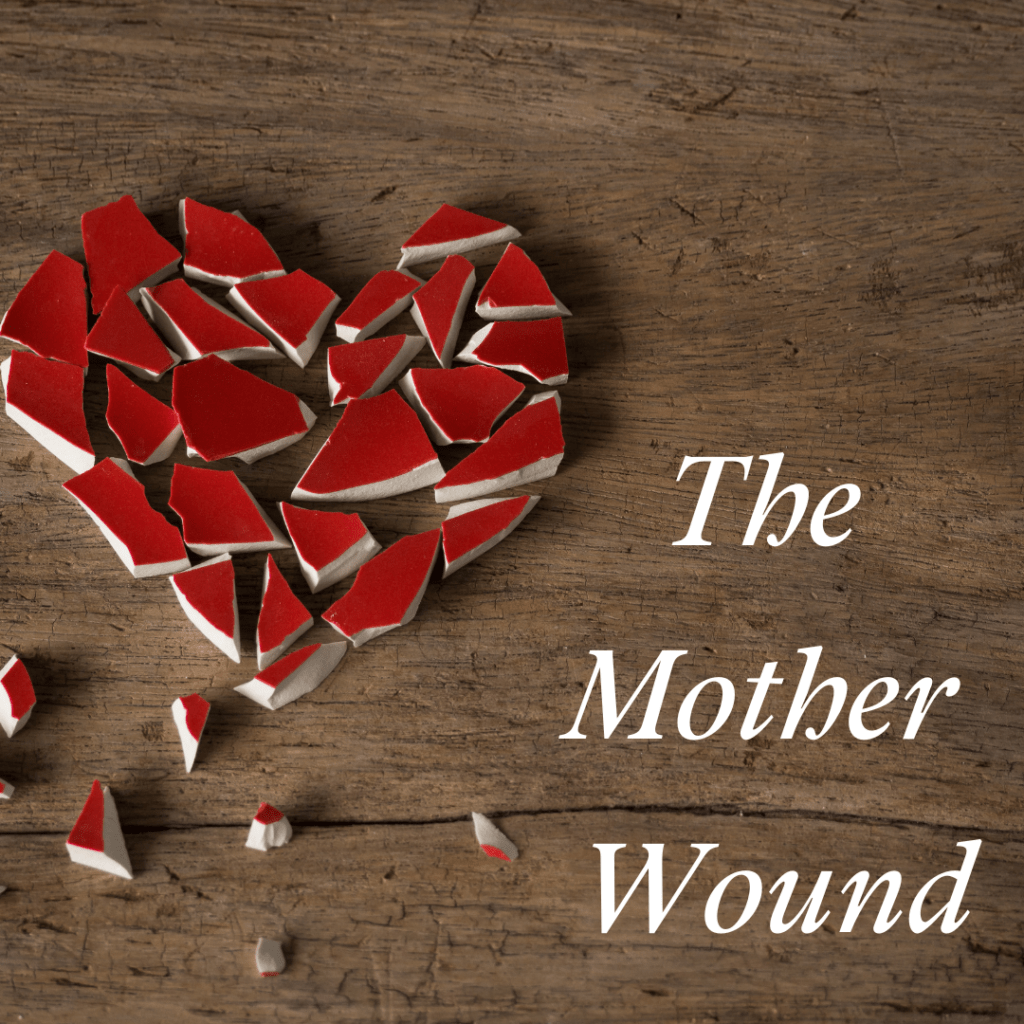
The term mother wound is used to describe the emotional impact of unmet needs, misattunement, or inconsistent care in the mother-child relationship.
This doesn’t mean your mother was “bad.”
It often means she was:
- carrying her own pain
- limited in what she knew how to give
- shaped by her own environment and experiences
Resources like Psychology Today and Attachment Project describe the mother wound as something that can quietly shape how we relate to ourselves and others over time.
How the Mother Wound Shows Up in Adulthood
The effects of the mother wound are often subtle.
They can look like:
- difficulty asking for what you need
- overgiving or people-pleasing
- feeling responsible for others’ emotions
- discomfort receiving support
- sensitivity to criticism or rejection
- a sense of needing to “hold it all together”
Not dramatic. Functional.
And often invisible from the outside.
The Nervous System Layer
This is where it goes deeper.
If your needs were not consistently met, your body may have learned to:
adapt
anticipate
minimize
To stay connected, even when something felt off.
Over time, that becomes a pattern. Not just in your thoughts, but in your nervous system.
It can show up as:
- always being “on”
- difficulty relaxing
- discomfort when things are quiet or still
- feeling safer giving than receiving
Why Mother’s Day Can Feel So Intense
Mother’s Day tends to amplify this pattern.
There is a strong cultural message that this day should feel:
joyful
grateful
connected
So when your experience is more complex, it can feel isolating.
You may find yourself:
- questioning your feelings
- comparing your experience to others
- trying to force a sense of gratitude or ease
Even when something inside you feels unsettled.
A Different Way to Move Through It
You don’t have to force this day into a single emotion.
You are allowed to:
- feel gratitude and grief
- honor what was given and what was missing
- define what this day means to you
You are also allowed to care for yourself in ways that were not always available to you before.
Even in small ways.
Healing the Mother Wound, Gently
Healing the mother wound is not about blaming or rewriting the past.
It is about:
- noticing patterns without judgment
- allowing your needs to exist
- slowly learning what it feels like to receive
- creating new experiences of support and safety
This does not happen all at once.
It happens in small, quiet shifts over time.
A Gentle Closing
If Mother’s Day feels complicated for you, you are not alone. There is nothing wrong with you for feeling what you feel.
You are allowed to hold more than one truth at once. And you are allowed to meet yourself with the care you may have been missing.
If this day feels tender, even a few minutes of quiet, reflection, or gentle support can help your system settle.
You don’t have to navigate it all at once.
References
Grant, K.-L. (2014, April 13). Is The Mother-Wound Ruining Our Romantic Relationships? Retrieved from Elephant Journal: https://www.elephantjournal.com/2014/04/is-the-mother-wound-ruining-our…
Kovanen, D. M. (n.d.). How Does The Mother Wound Impact Men? Retrieved from Dr. Mari Kovanen Counselling Psychology: https://www.drmarikovanen.co.uk/how-does-the-mother-wound-impact-men/
Webster, B. (n.d.). Why it’s Crucial for Women to Heal the Mother Wound. Retrieved from Bethany Webster: https://womboflight.com/why-its-crucial-for-women-to-heal-the-mother-wo…