Support for both your body and your mind
Migraines are not just headaches. Anyone who lives with them knows that.
They can be disorienting, painful, and deeply disruptive. They can take you out of your day, your plans, and sometimes even your sense of stability.
And recently, more people are noticing them.
Not just women. Not just occasionally. But more frequently, and more intensely.
Are Migraines Actually Increasing?
Research suggests that migraine prevalence and reporting may be rising, especially among younger adults.
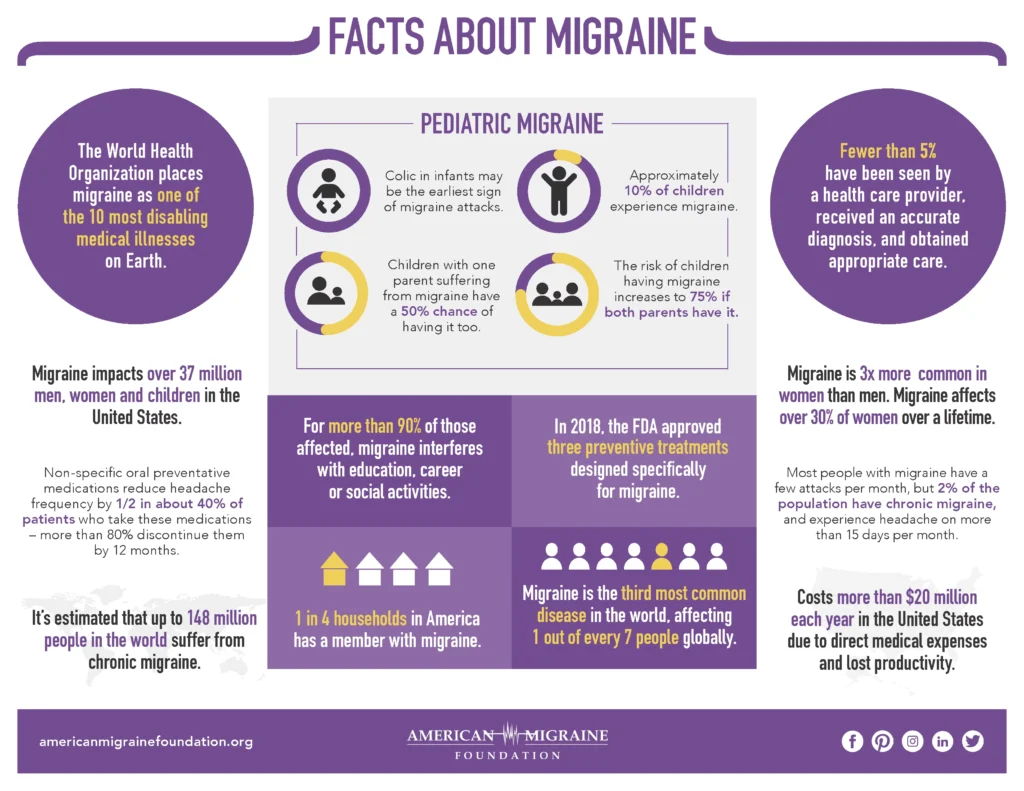
According to the World Health Organization, migraines are one of the leading causes of disability worldwide.
Studies published in journals like Headache and The Journal of the American Medical Association have also pointed to increasing rates of migraine diagnoses and chronic migraine conditions, particularly in the last decade.
Possible contributing factors include:
- Increased screen time and digital strain
- Chronic stress and nervous system overload
- Sleep disruption
- Hormonal changes and environmental factors
- Changes in weather patterns and climate, including barometric pressure shifts and heat exposure
- Greater awareness and diagnosis
Emerging research suggests that shifts in weather, rising temperatures, and changes in barometric pressure may contribute to migraine onset for some individuals, adding another layer to an already complex condition.
It is not just that more people are experiencing migraines. It is also that we are finally naming them.
It Is Not Just a “Women’s Issue”
Migraines have historically been associated with women, largely due to hormonal patterns. But that narrative is shifting.
Men and non-binary individuals also experience migraines, often underreported or misdiagnosed. Social expectations around pain tolerance and expression can lead many to minimize or ignore symptoms.
Migraines do not discriminate. And neither should care.
Caring for the Body During a Migraine
When a migraine hits, the body needs very specific support.
Not productivity. Not pushing through.
Support.
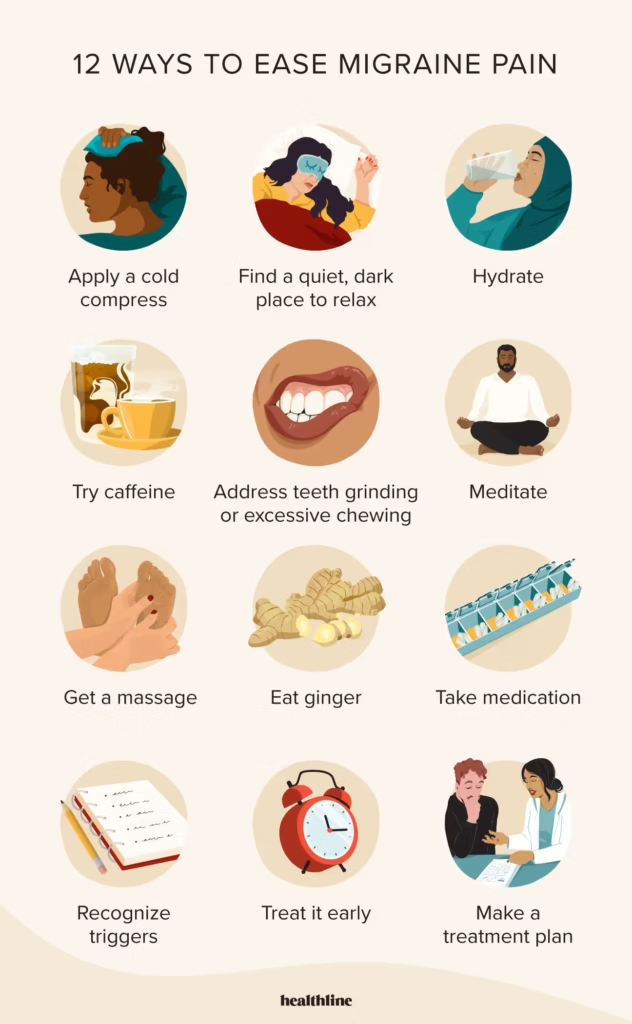
Some of the most common and helpful approaches include:
- Reducing light and sound exposure
- Hydrating consistently
- Using cold or warm compresses
- Taking prescribed or over-the-counter medications such as Ibuprofen or Sumatriptan when appropriate
- Resting, even if sleep does not come easily
Sometimes the most helpful thing you can do is stop.
And that can be the hardest part.
The Emotional Side of Migraines
There is another layer that is talked about less. The emotional impact.
When migraines become recurring, they can bring:
- Frustration at losing time
- Anxiety about when the next one will come
- Guilt for canceling plans
- Fear that things may not improve
There is a particular kind of helplessness that comes from being forced to pause when you did not choose to.
And over time, that can wear on your sense of control.
Self-Care for the Mind, Not Just the Body
This is where care needs to expand. Not just physical relief, but emotional support.
Some gentle ways to support yourself mentally during or after a migraine:
- Remind yourself that needing rest is not failure
- Reduce internal pressure to “bounce back” quickly
- Let people know what you need, even if that is silence
- Create a low-stimulation environment that feels safe, not isolating
Even simple thoughts like, “I am allowed to take care of myself right now” can shift the experience slightly.
You Are Not Weak for Needing Care
Migraines interrupt life. But they do not diminish your strength.
If anything, learning how to care for yourself through something unpredictable builds a different kind of resilience.
A quieter one. One rooted in listening instead of pushing.
A Gentle Closing
If you are navigating migraines, whether occasionally or frequently, you are not alone.
And you are not imagining how disruptive they can be.
Your experience is real. Your need for care is valid.
And your pace is allowed to change.
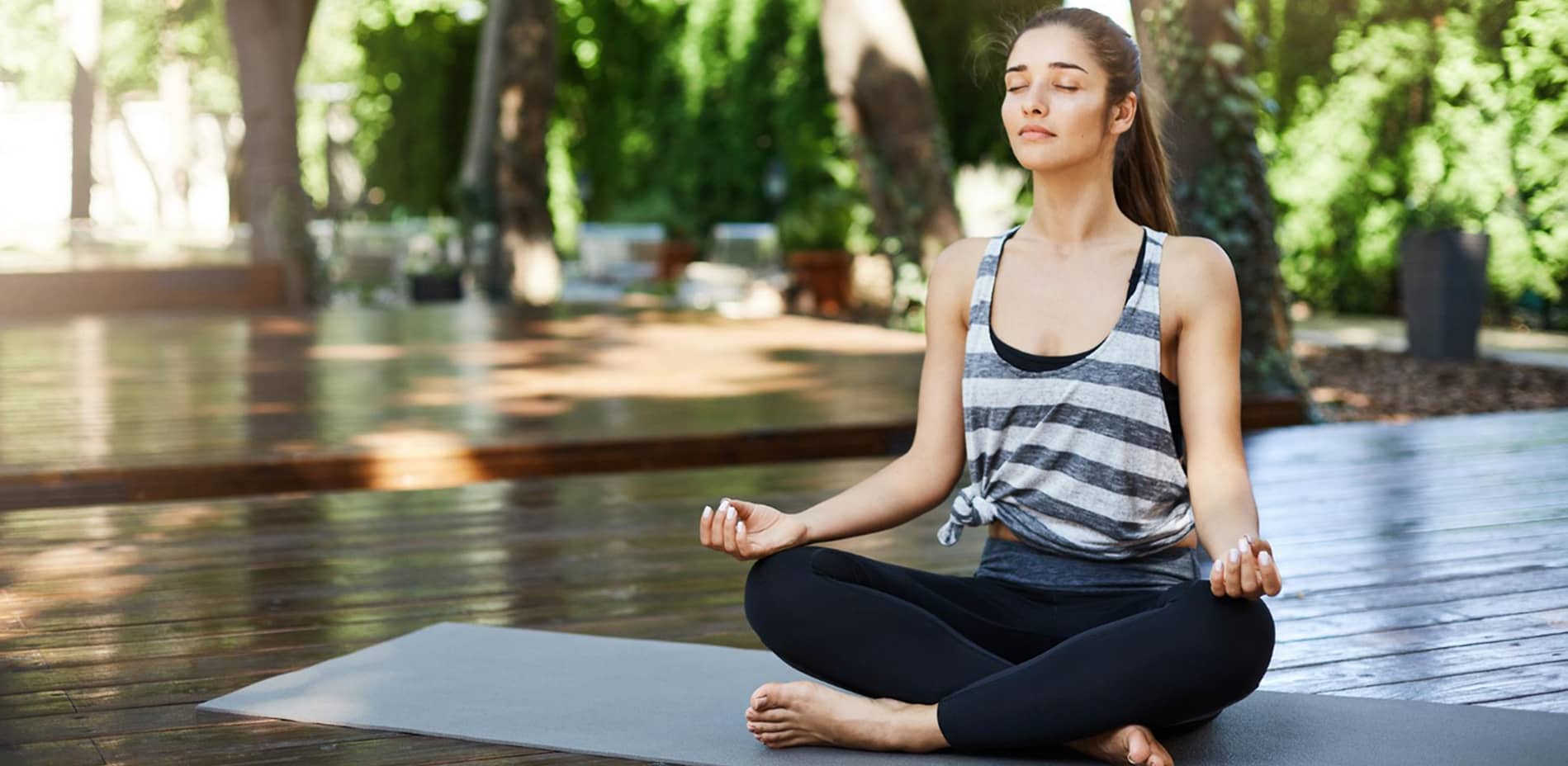
If you need something small to help you come back to yourself, even just a few minutes of guided breathing or stillness can sometimes take the edge off the intensity.
We’ve created a few short, gentle meditations that are designed for low-capacity moments like this.
Only if it feels supportive. Not something you have to do.
References
- World Health Organization – Migraine fact sheet
- American Migraine Foundation – The Facts About Migraines
- JAMA Neurology