There is a kind of burnout that does not come from working too many hours.
It comes from being the one who holds everything together.
The Invisible Role No One Assigns
In many teams, there are people who quietly become the bridge.
Not because it is their job.
But because they can.
They:
- notice what is missing
- connect disconnected pieces
- translate between departments
- anticipate problems before they happen
Over time, this becomes expected.
Not officially.
But functionally.
What It Feels Like From the Inside
From the outside, this can look like competence. Even leadership.
From the inside, it often feels like:
- never fully being “off”
- holding multiple threads in your head at once
- feeling responsible for outcomes you do not control
- absorbing tension between people, timelines, and expectations
It is not just mental effort.
It is nervous system load.
A constant low-level activation that builds over time.
When Systems Create Burnout
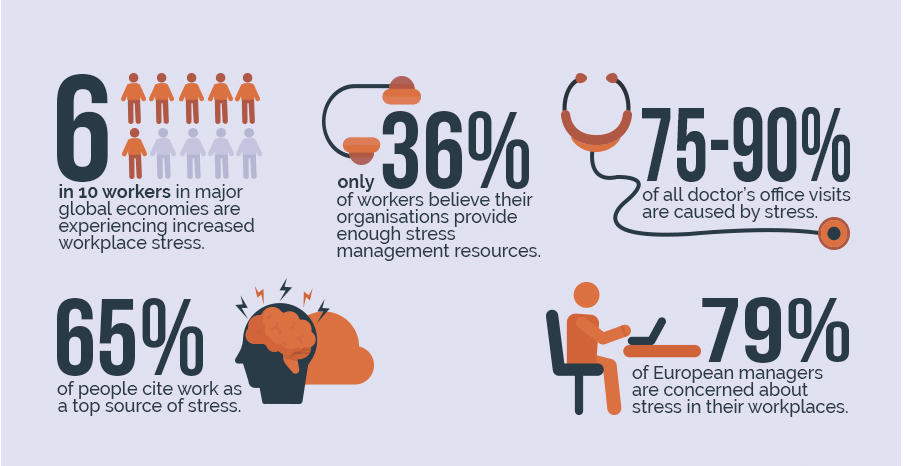
Burnout is often framed as a personal issue.
Something to manage with better habits, more boundaries, or increased resilience.
But sometimes, the system itself is what creates the strain.
This tends to happen when:
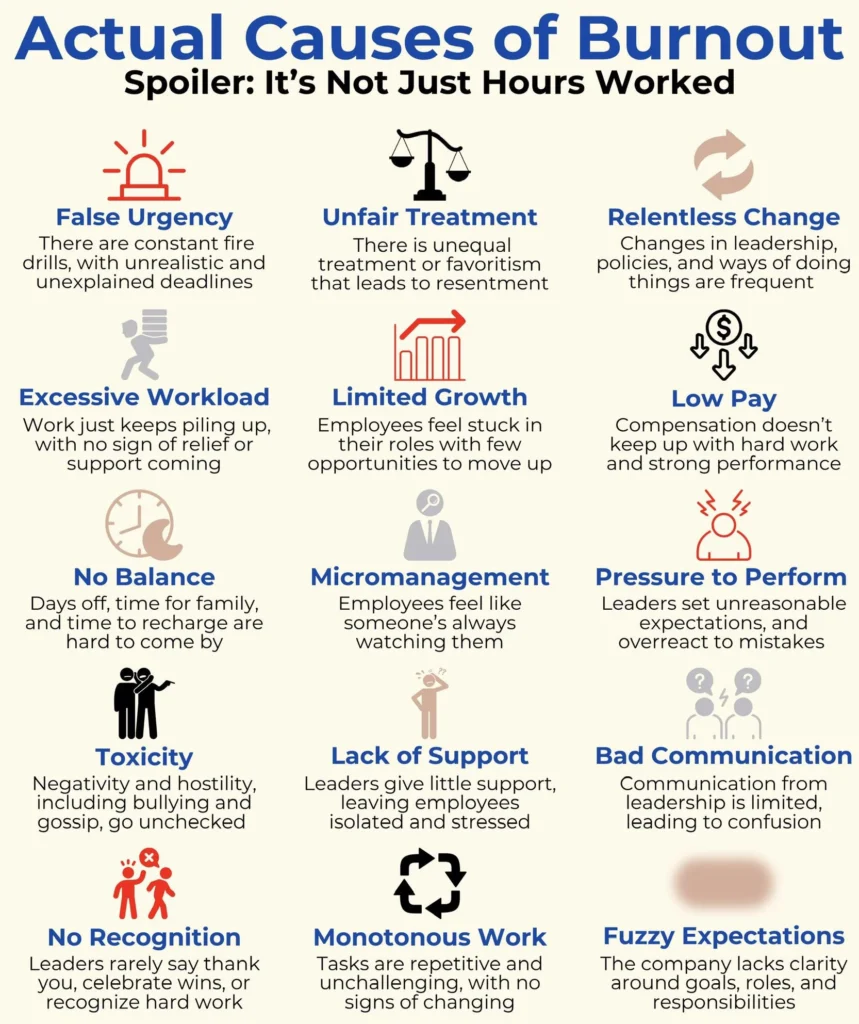
Roles are not aligned with how people actually work
Some people are naturally structured.
Some are naturally relational.
Some are wired to anticipate and organize.
When roles are not designed with this in mind, the most adaptable people compensate.
Information is not shared clearly across teams
When documentation is inconsistent or missing:
- work becomes reactive
- ownership becomes unclear
- communication becomes fragmented
And again, someone steps in to hold it all together.
The Nervous System Cost
This is the part that is rarely named.
When you are constantly:
- scanning for gaps
- managing unspoken expectations
- holding emotional and operational tension
Your body does not experience that as “just work.”
It experiences it as ongoing demand.
Over time, this can look like:
- fatigue that does not resolve with rest
- difficulty focusing or prioritizing
- increased sensitivity to stress
- a sense of being stretched beyond your role
Not because you are incapable.
But because you are carrying more than the system was designed to distribute.
Sustainable Work Requires Sustainable Design
If a team relies on a small number of people to keep everything running, that is not efficiency.
It is dependency.
And dependency creates fragility.
A more sustainable approach looks like:
- placing people in roles that align with their natural strengths
- creating shared systems and documentation across departments
- clearly defining ownership and responsibility
- reducing reliance on invisible labor
A Different Kind of Support
Not all burnout is solved by doing less.
Some of it is resolved by changing how things are structured in the first place.
And for the individuals holding more than their share:
It may start with recognizing that what you are feeling makes sense.
Your body is responding to the environment it is in.
A Gentle Closing
If you have been the one holding everything together, even quietly, there is nothing wrong with you for feeling tired.
You may not need more resilience.
You may need more support.
And sometimes, that begins with seeing clearly what you have been carrying.
If you are in a season of burnout or overload, even small moments of stillness can help your system begin to settle.
You do not have to solve everything at once.
You can start with one breath, one pause, one moment of stepping out of the noise.